Hidden Mold After Water Damage
Hidden Mold After Water Damage — Signs, Health Concerns, and How Restoration Prevents It From Coming Back
Tysons Corner, VA
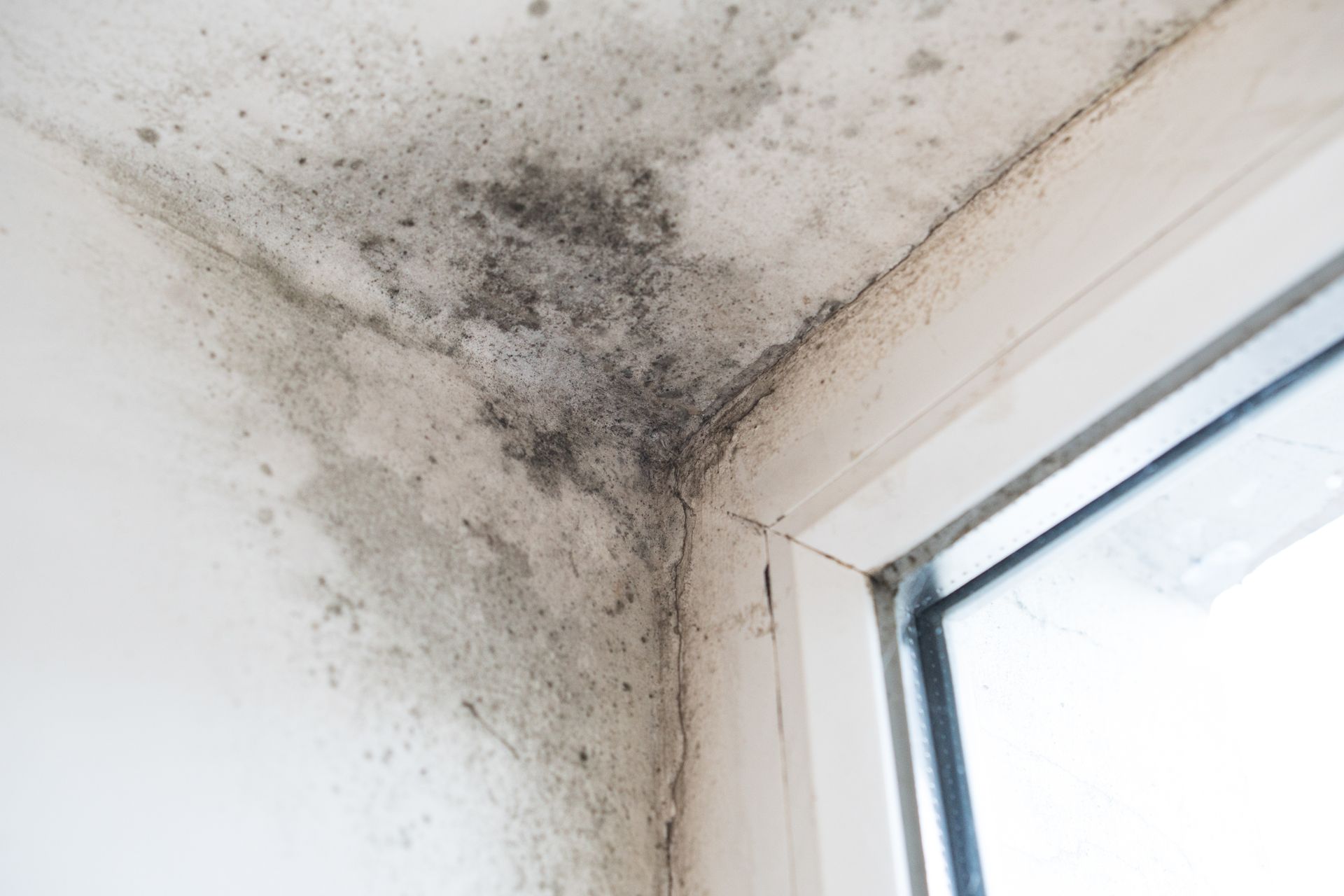
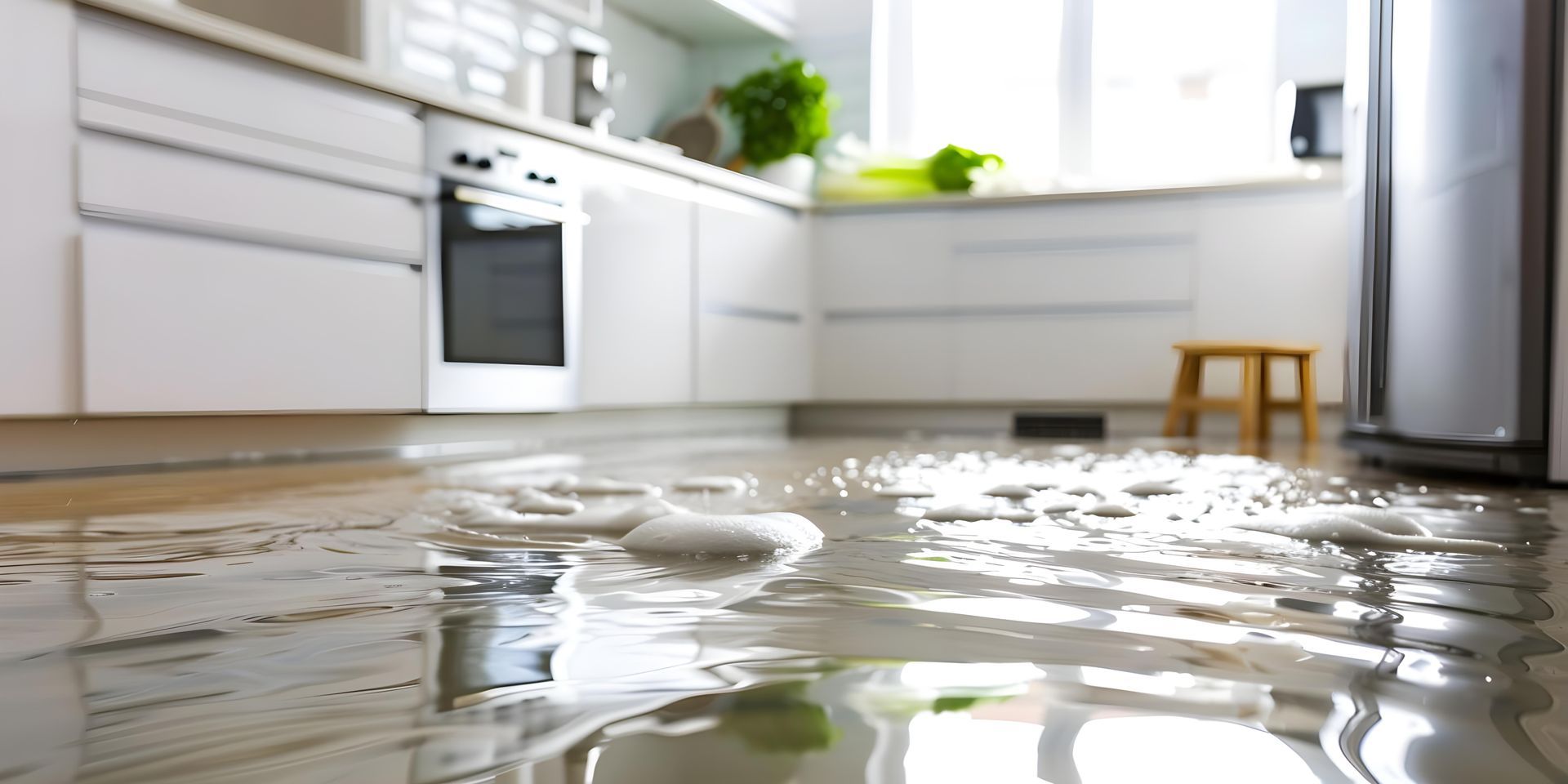
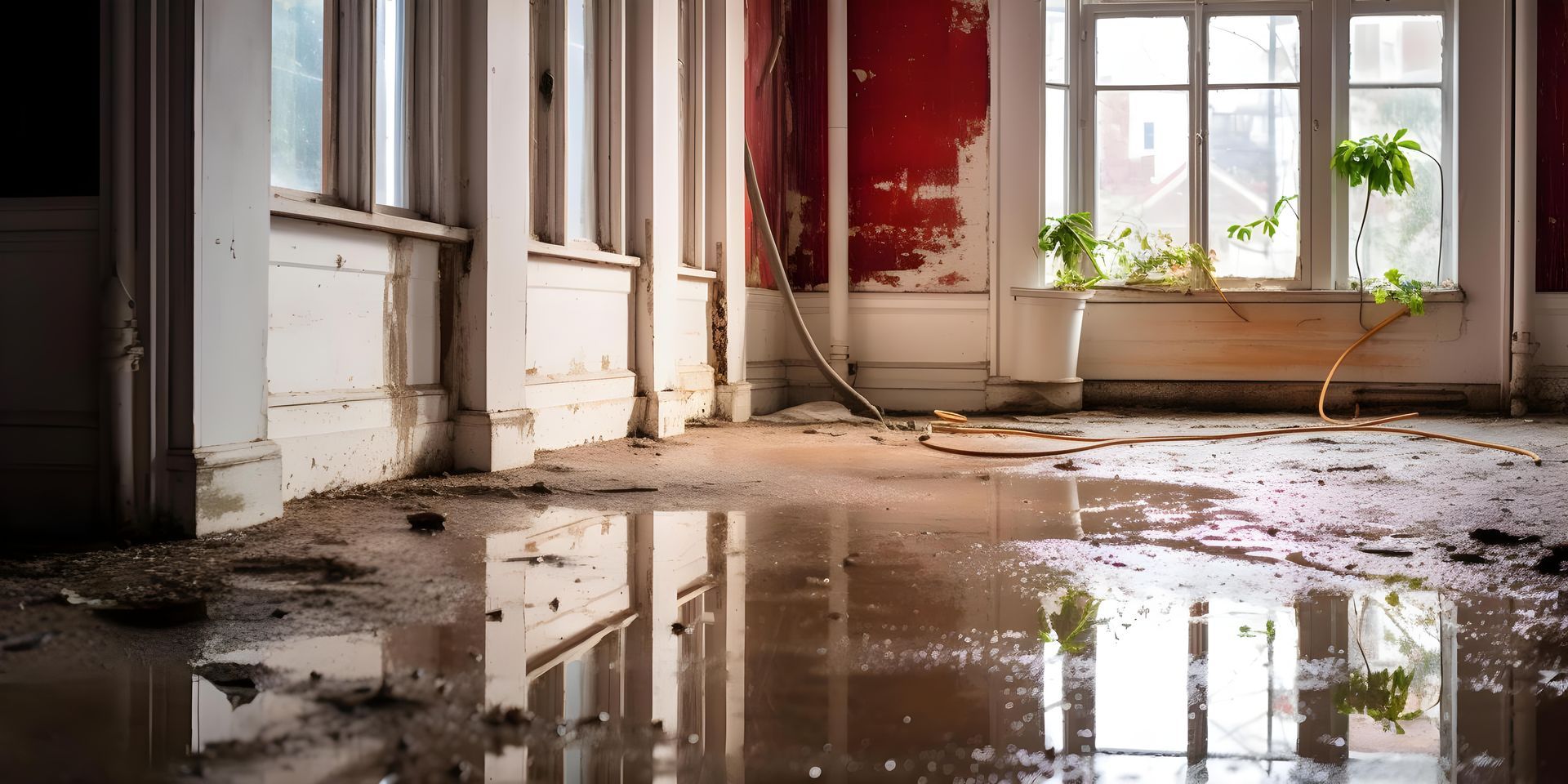
Water damage and mold are closely connected. In fact, many mold problems begin days or weeks after a water event—when things look “mostly dry,” but moisture remains inside building materials. If you’ve had a past leak, overflow, storm intrusion, or damp basement situation, it’s worth knowing how hidden mold develops and what professional mold restoration should include.
Anthony Restoration serves Tysons Corner, VA and surrounding areas with restoration services that include mold remediation and moisture source removal before remediation begins.
Why mold shows up after water damage (even when you used fans)
Household fans can help, but they don’t always address:
- Moisture trapped behind walls and under insulation
- Water that seeped under flooring or into subfloor materials
- Damp framing or cavities that require professional dehumidification
- Humidity levels that stay elevated long enough for growth to start
The goal of restoration isn’t just drying what you can see—it’s drying what you can’t see.
Signs of hidden mold you shouldn’t ignore
Hidden mold often announces itself indirectly. Watch for:
- A musty smell that’s stronger in one room or near one wall
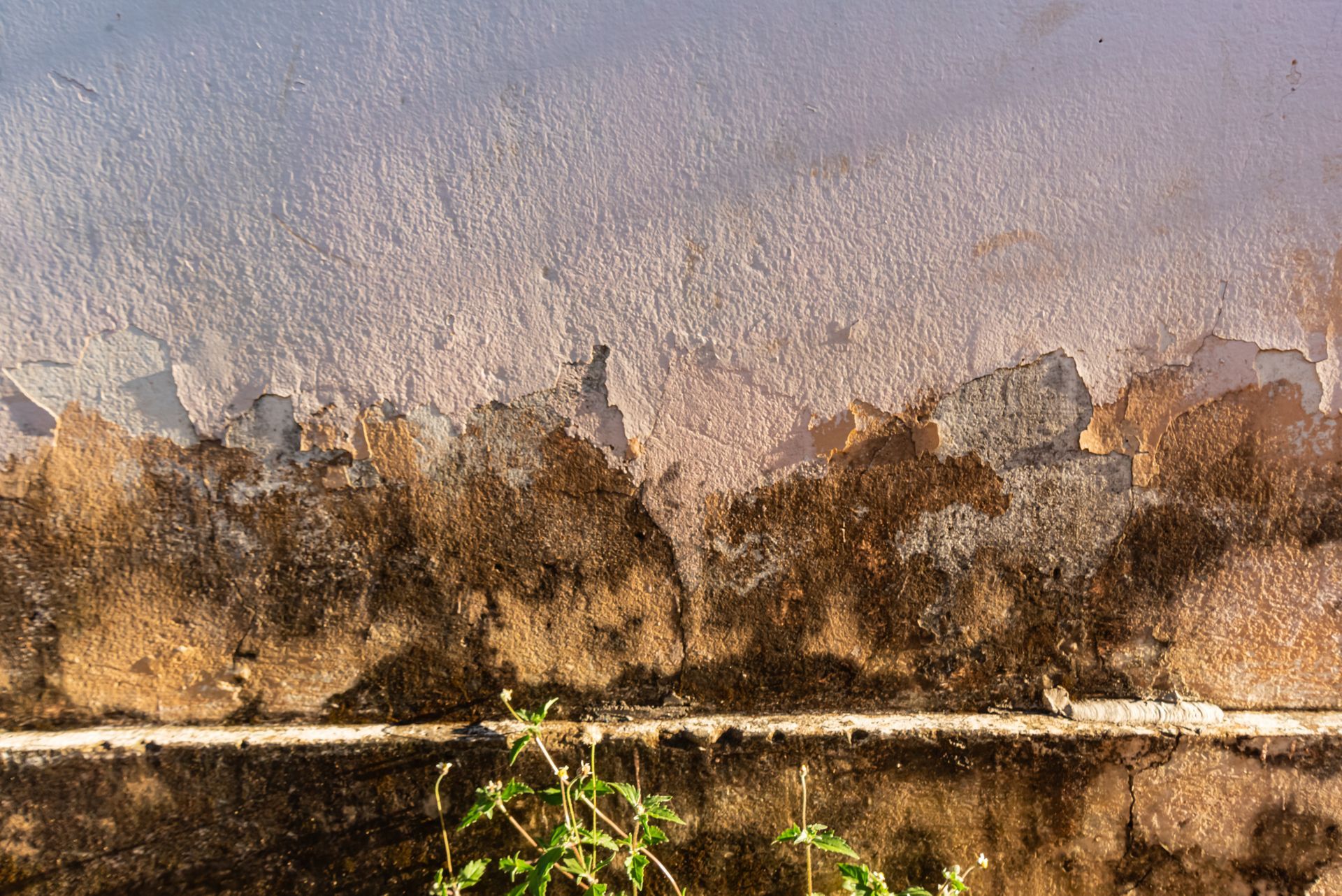
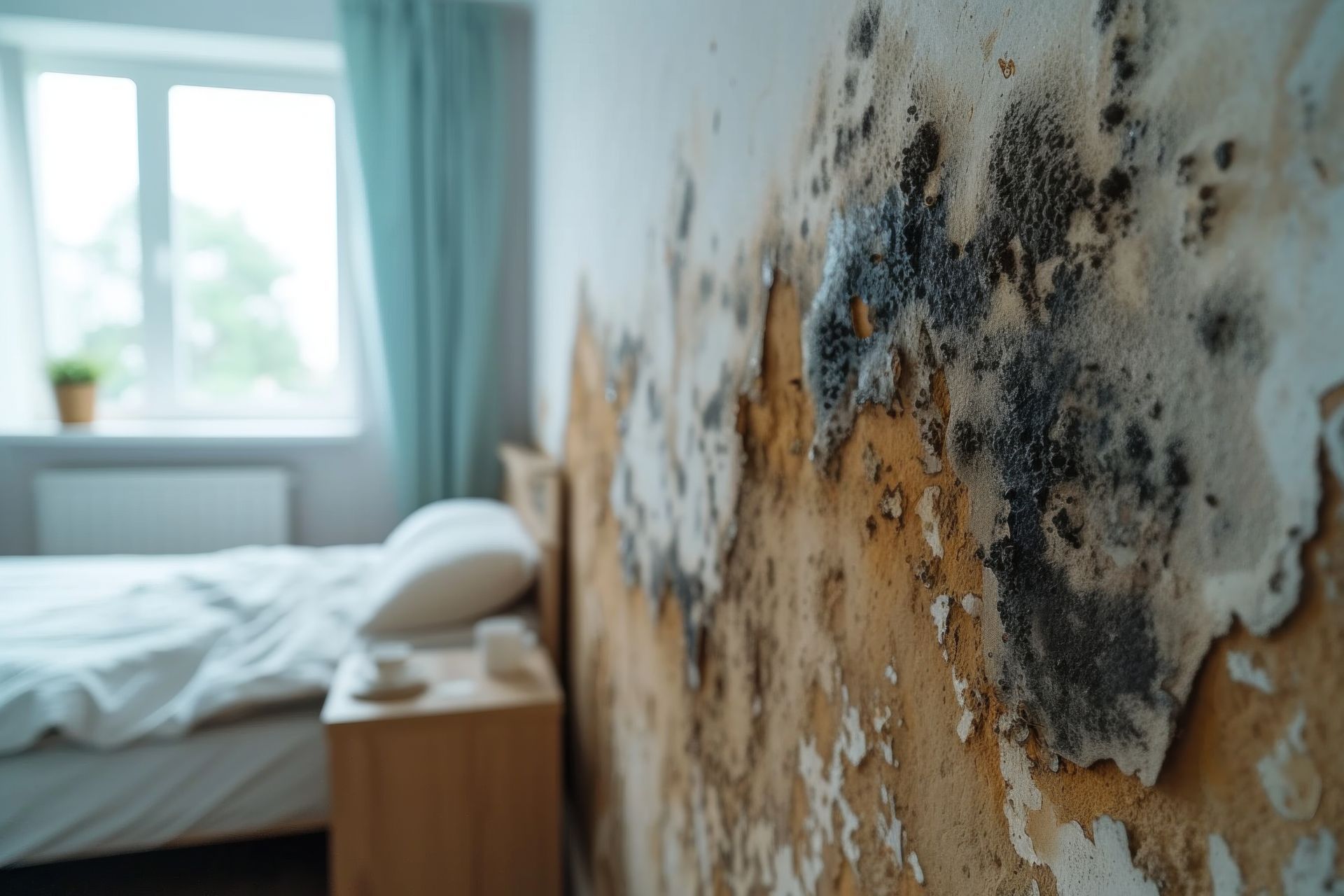
- Small repeating spots near baseboards, window frames, or vents
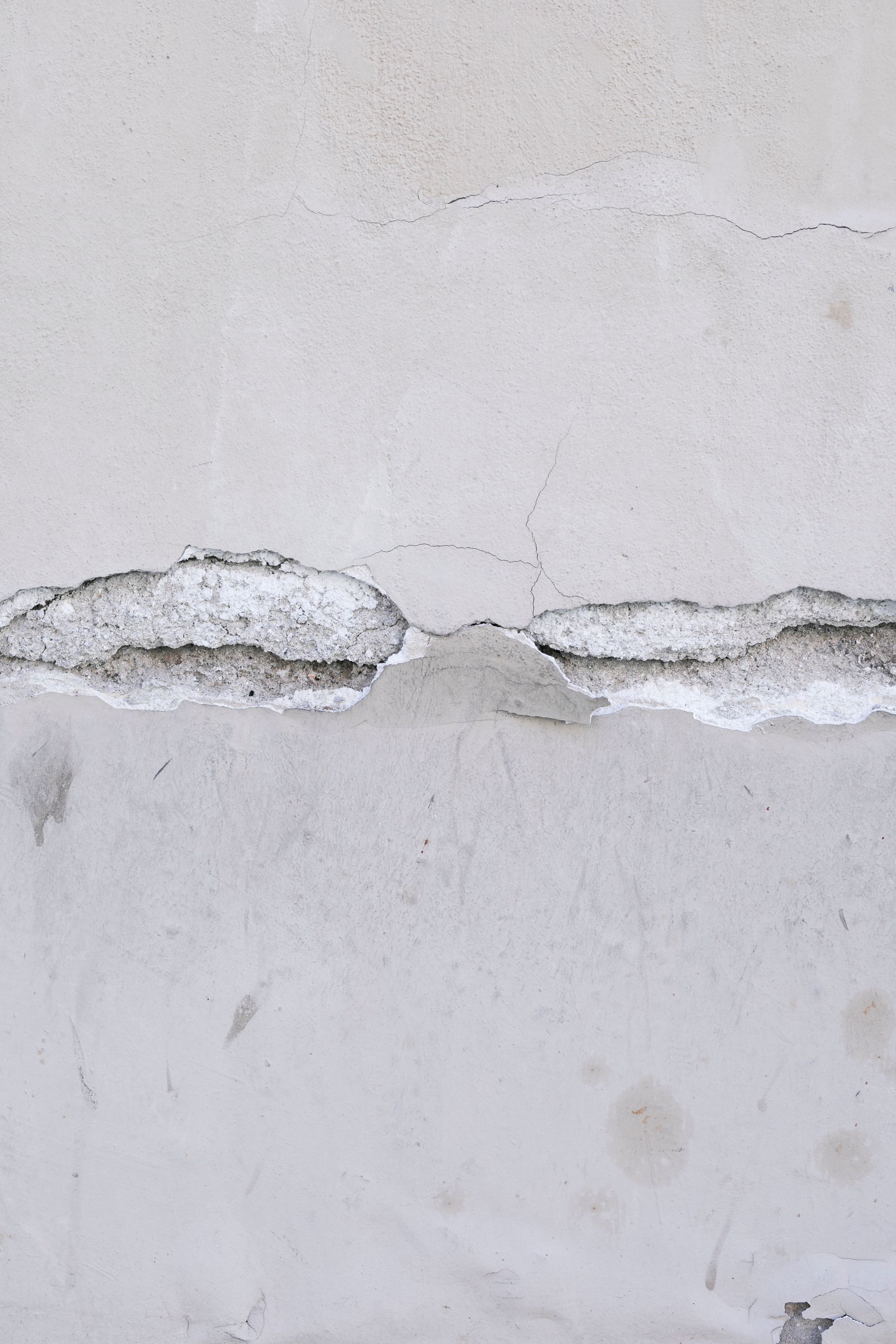
- Peeling paint or soft drywall
- Increased allergy symptoms that improve when you’re away
- A damp “cold” feeling in a room, closet, or lower level
If you suspect mold after water damage, it’s usually time for a professional inspection and plan.
Health and property risks: why DIY isn’t always enough
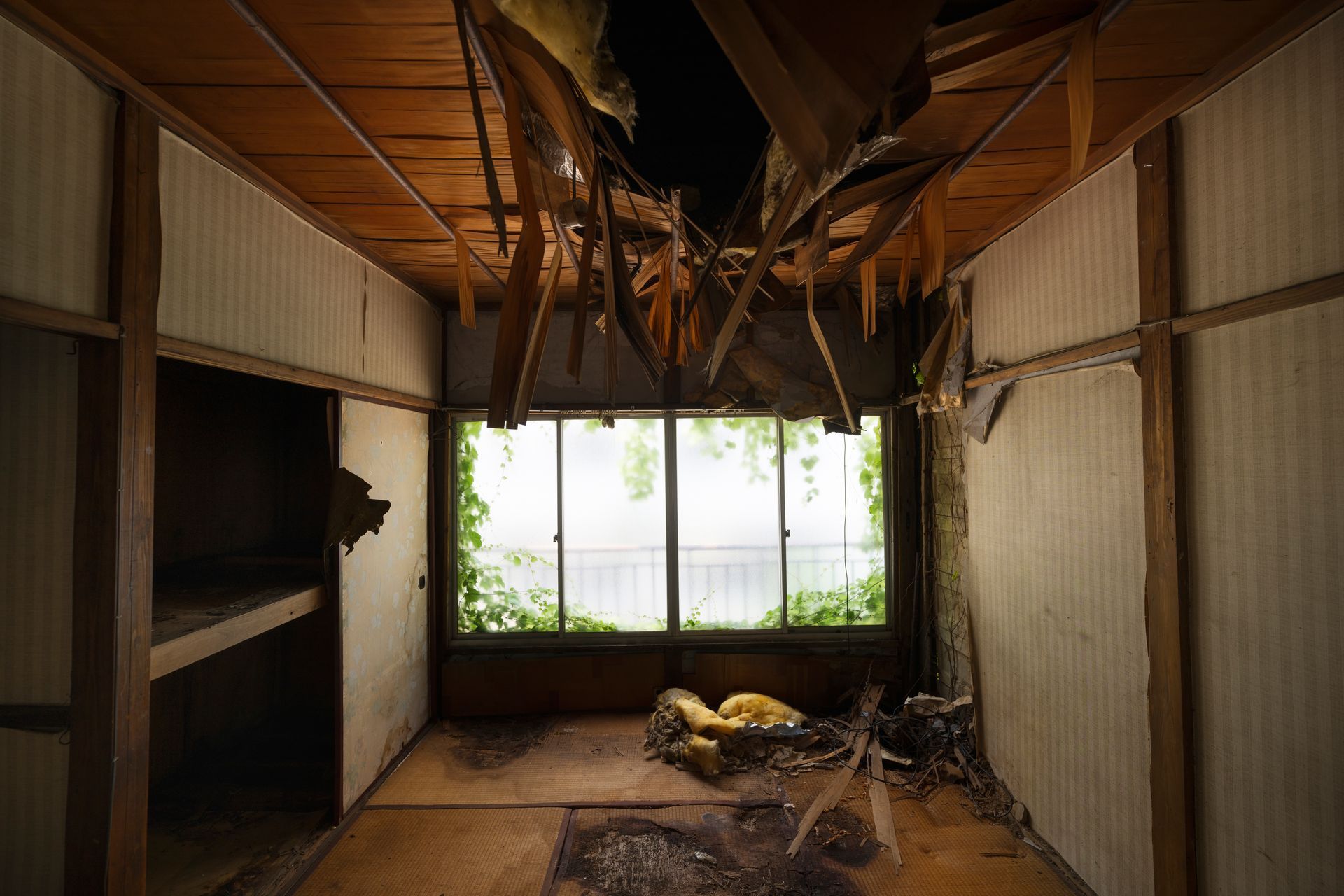
Mold can affect indoor air quality, and in sensitive individuals it may trigger allergy-like symptoms or respiratory irritation. From a property perspective, mold can weaken materials over time and create lingering odors that are hard to remove without professional containment and filtration.
Professional restoration focuses on safe removal, cleaning, and prevention—not just covering stains or masking smells.
What a quality mold restoration plan should include
When restoration is done right, the steps work together:
- Moisture source control
If moisture isn’t eliminated, mold can return—sometimes quickly. Anthony Restoration specifically notes removing moisture sources before remediation begins. - Containment and air filtration
This reduces cross-contamination into clean areas during cleanup. - Removal of unsalvageable materials
Some materials (like heavily affected drywall/insulation) may need to be removed and replaced. - HEPA cleaning and detailed wipe-downs
Especially important for dust, surfaces, and areas near HVAC returns. - Drying and humidity control
Restoration equipment is designed for structural drying and stable indoor conditions. - Repair and rebuild
A true restoration company helps you get back to “normal,” not just “cleaned.” Anthony Restoration promotes restoration plus rebuild/repair support.
Insurance questions: what many property owners don’t realize
Mold claims can be complicated and depend on the cause, timing, and policy language. Anthony Restoration notes they work with insurance and offer direct insurance billing, which can help reduce stress while you focus on getting the property restored.
When you need help fast
When moisture and mold are involved, time matters. Anthony Restoration promotes 24/7 emergency availability for restoration needs in the Tysons Corner area. If you’ve had water damage—recent or past—and suspect mold may be developing, getting a professional evaluation quickly can reduce the scope of removal and repairs.