What to Do Immediately and When to Bring in Pros
What to Do Immediately and When to
Bring in Pros
Water Damage in Tysons Corner, VA
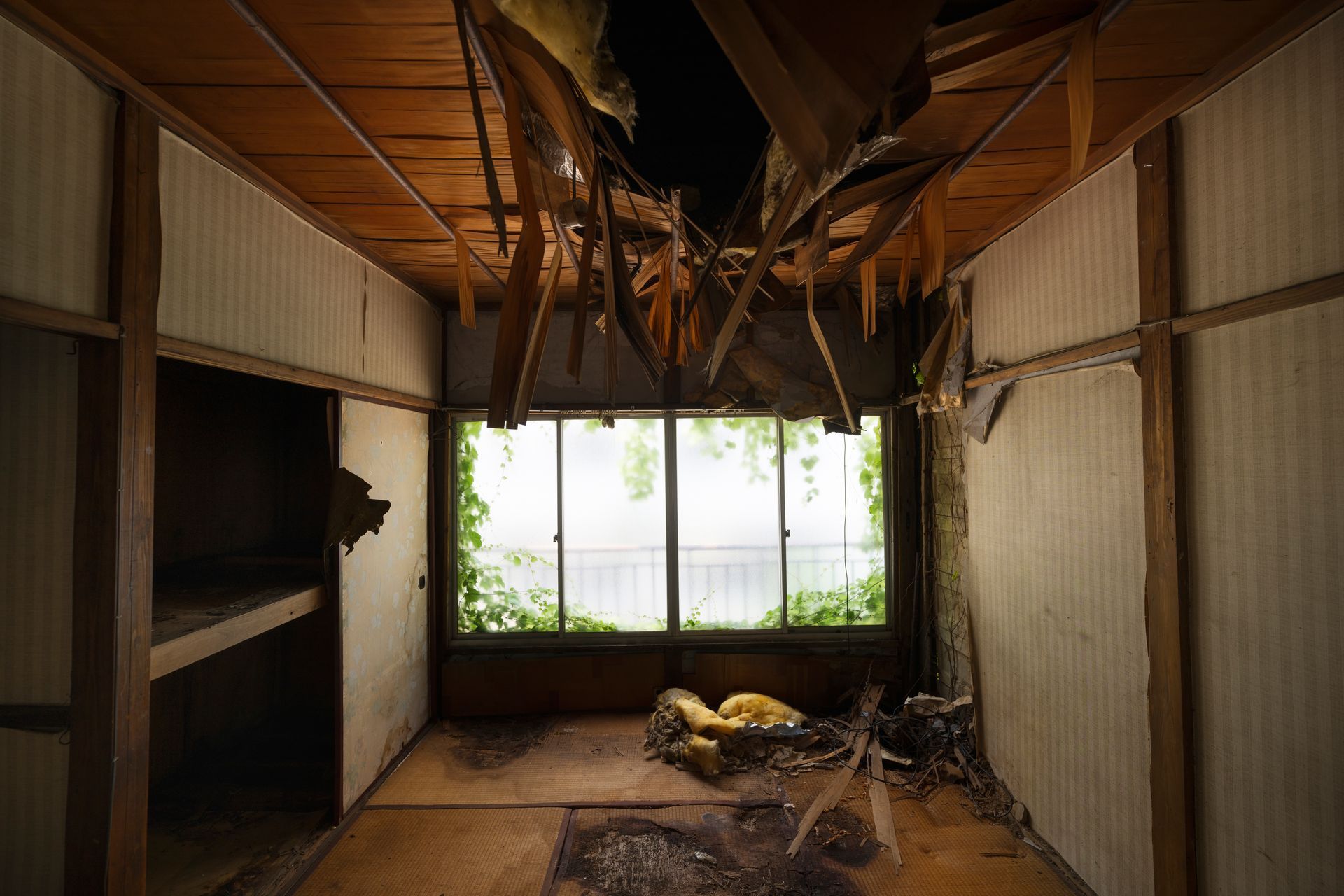
Water damage can turn from “a small leak” into a full rebuild faster than most homeowners expect—especially when water spreads under floors, behind baseboards, and into wall cavities. In Northern Virginia, a burst pipe, overflowing toilet, roof leak, or appliance failure can soak multiple rooms before you even notice. The good news: fast, correct action in the first few hours can dramatically reduce repair costs and downtime.
Here’s a practical, homeowner-friendly guide to handling water damage in Tysons Corner and surrounding communities—plus what professional water damage restoration looks like when the situation is bigger than DIY fans and towels.
1) Stop the source of the water damage (safely)
If you can access the shutoff safely, turn off the water supply to the fixture (or the main valve if needed). If water damage is near electrical outlets, light fixtures, or an electrical panel, avoid stepping into pooled water until power is shut off to the affected area. Safety first—water and electricity do not mix.
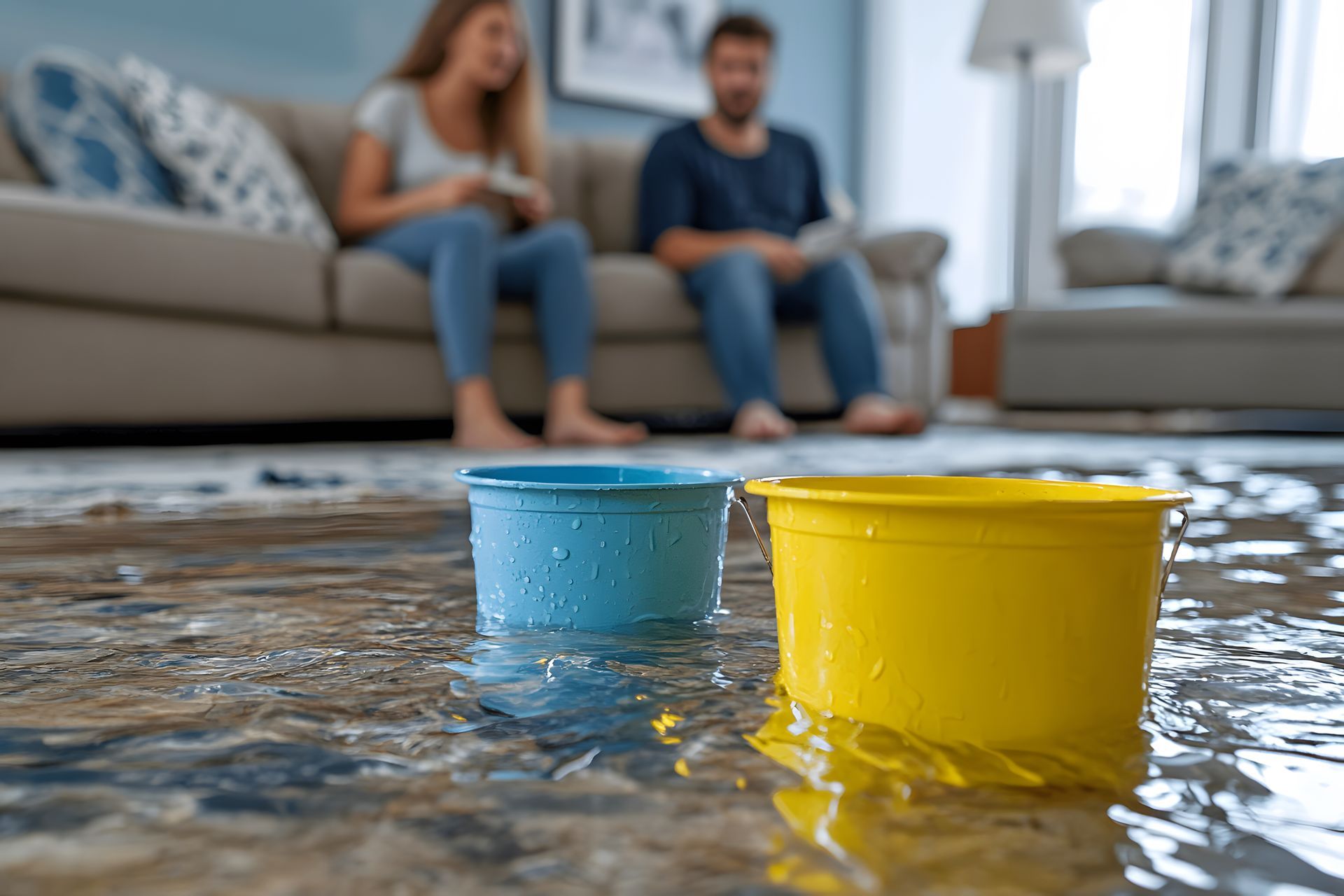
If the water damage is coming from the roof during a storm, use buckets to catch drips and move valuables away from the leak line. The goal is to stop the ongoing intrusion and limit spread.
2) Remove what you can, but don’t “trap” moisture
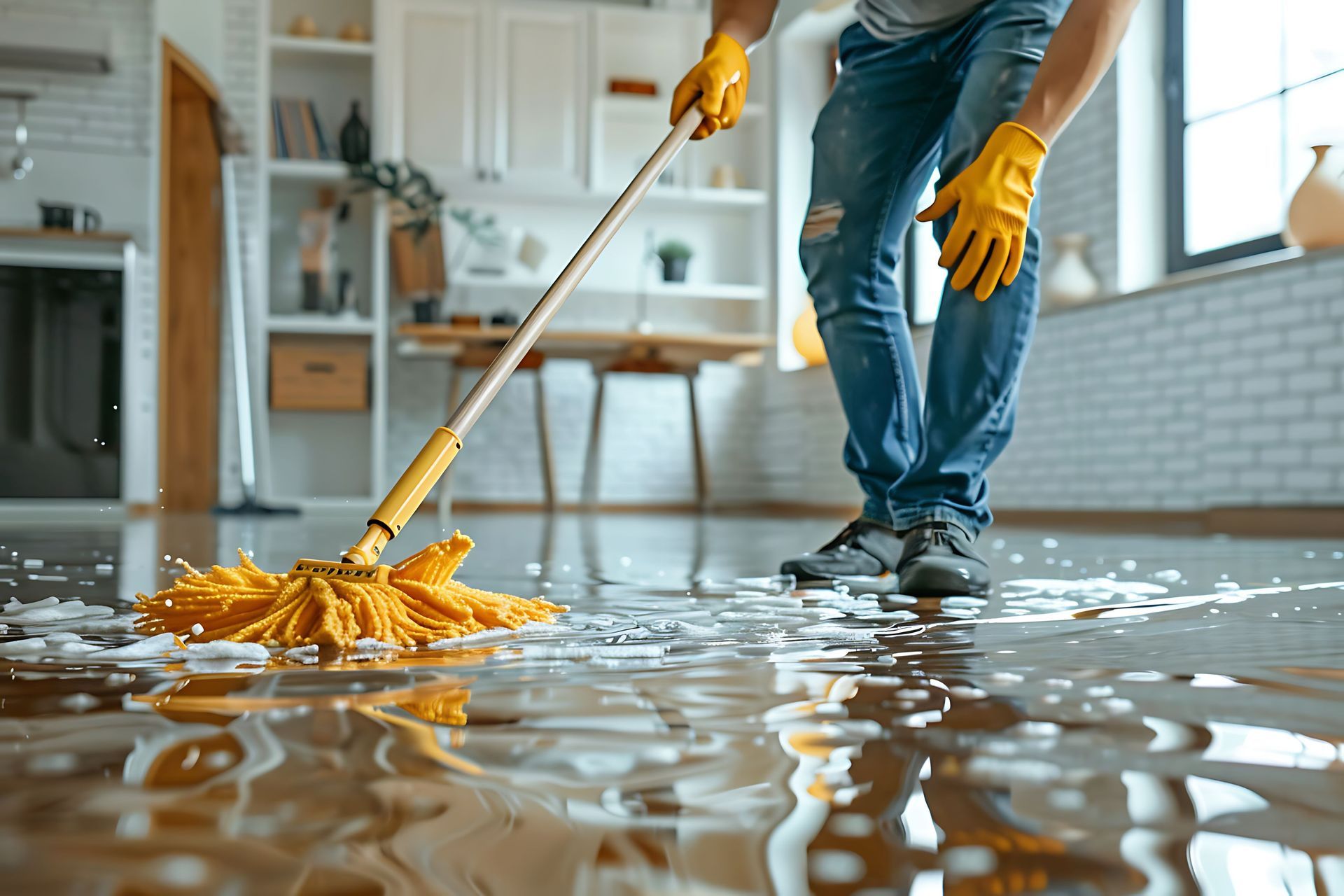
You can help reduce water damage by moving furniture, lifting rugs, and blotting up surface water. But avoid sealing the problem in. A common mistake is turning up the heat, closing doors, or running random household fans without understanding where the moisture is hiding. Water damage is often deeper than what you see—wet padding beneath carpet, damp subflooring, or soaked drywall behind paint.
3) Document the water damage before major cleanup
If insurance may be involved, take clear photos and short video walkthroughs of:
- The source (if visible)
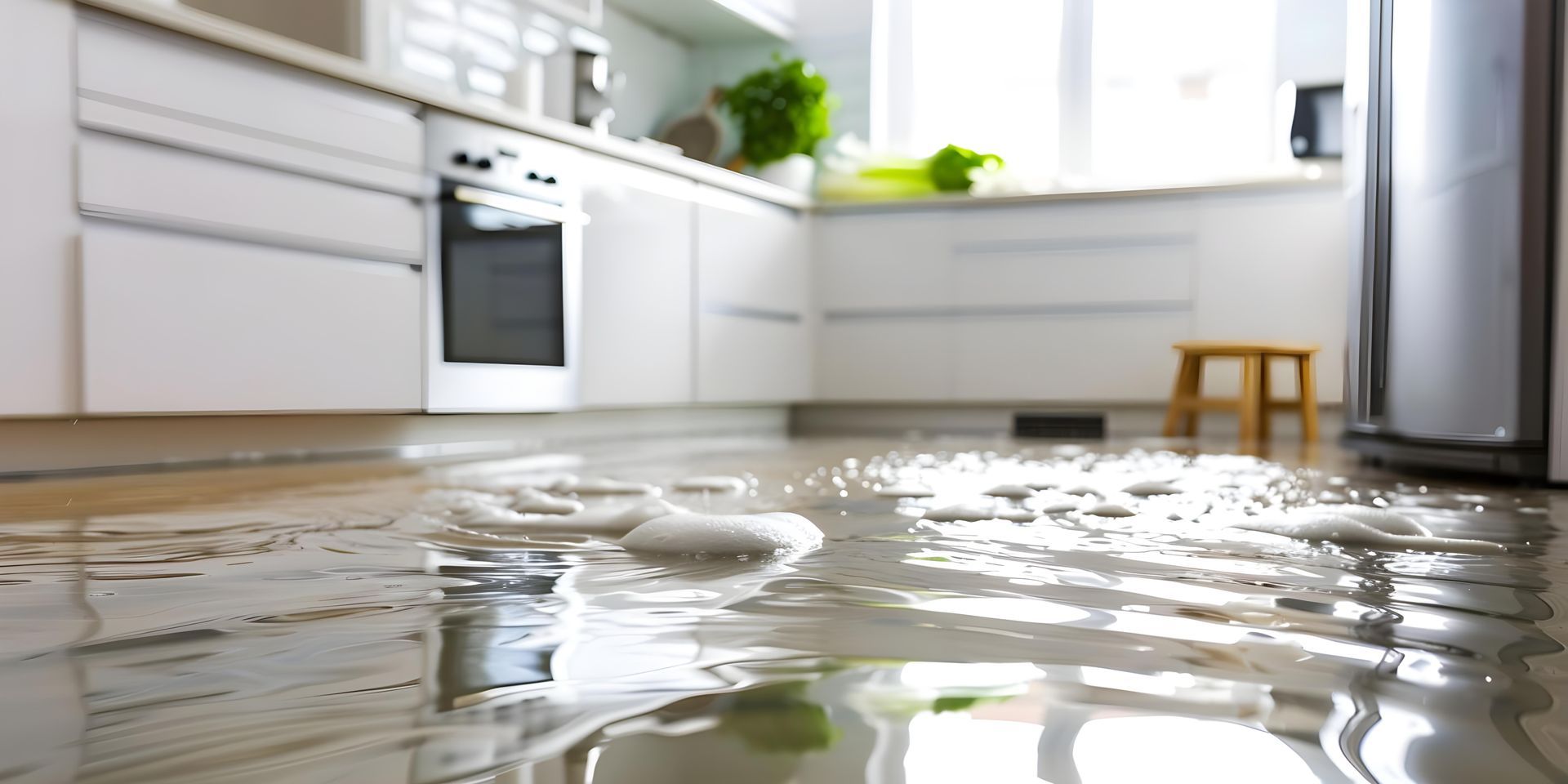
- Standing water
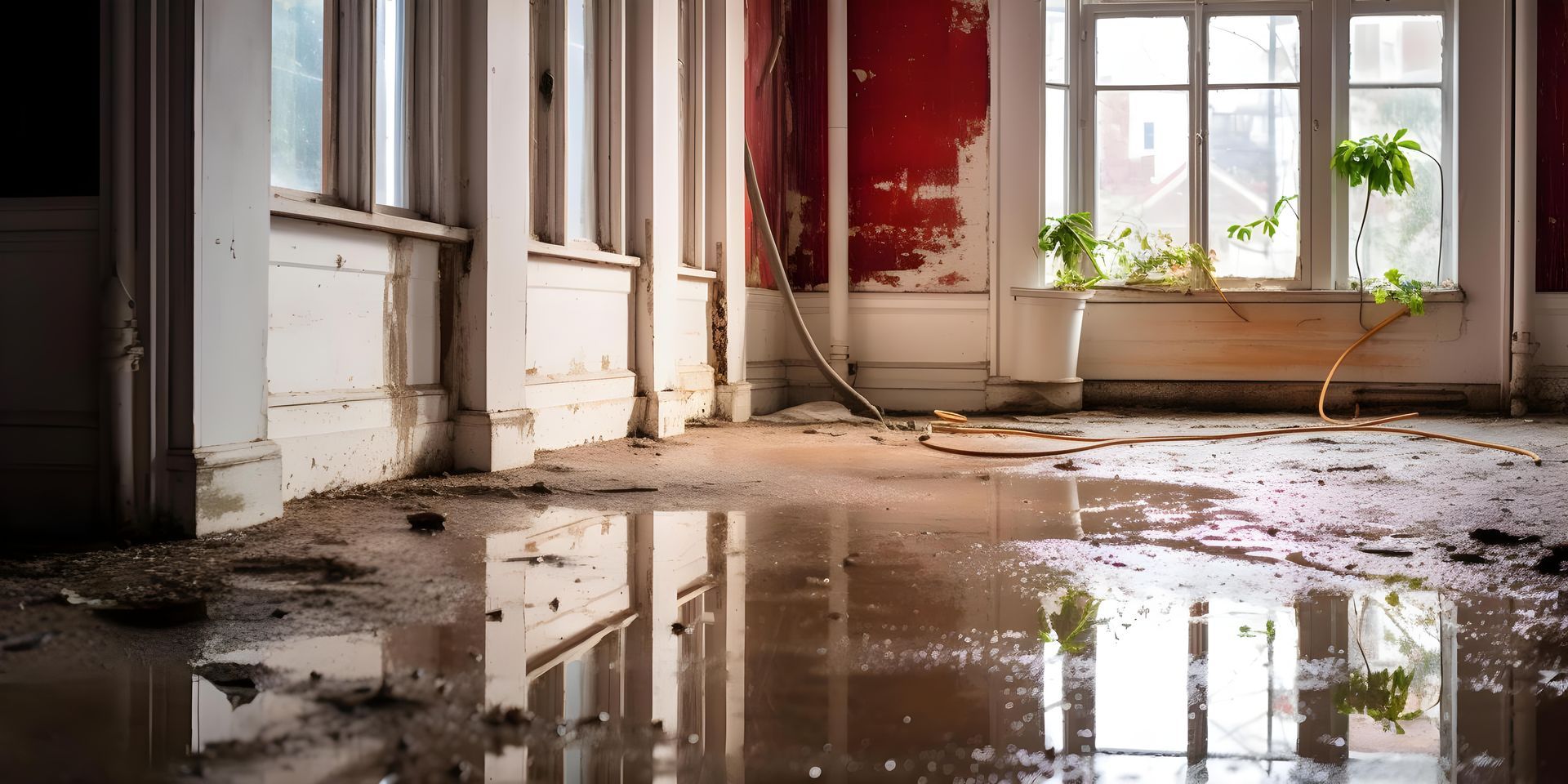
- Wet floors and baseboards
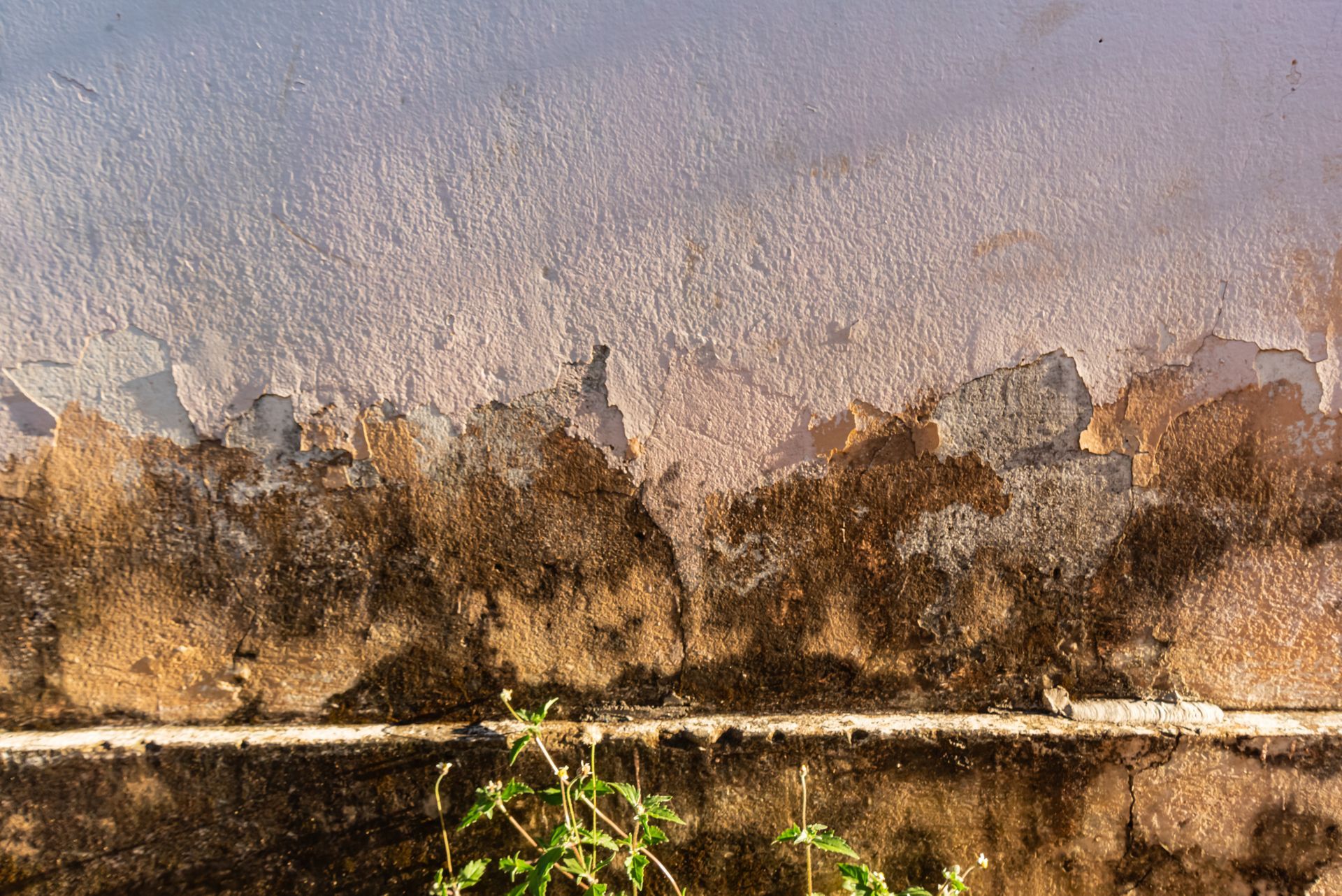
- Ceiling or wall staining
- Damaged personal contents
This takes only a few minutes and can prevent headaches later.
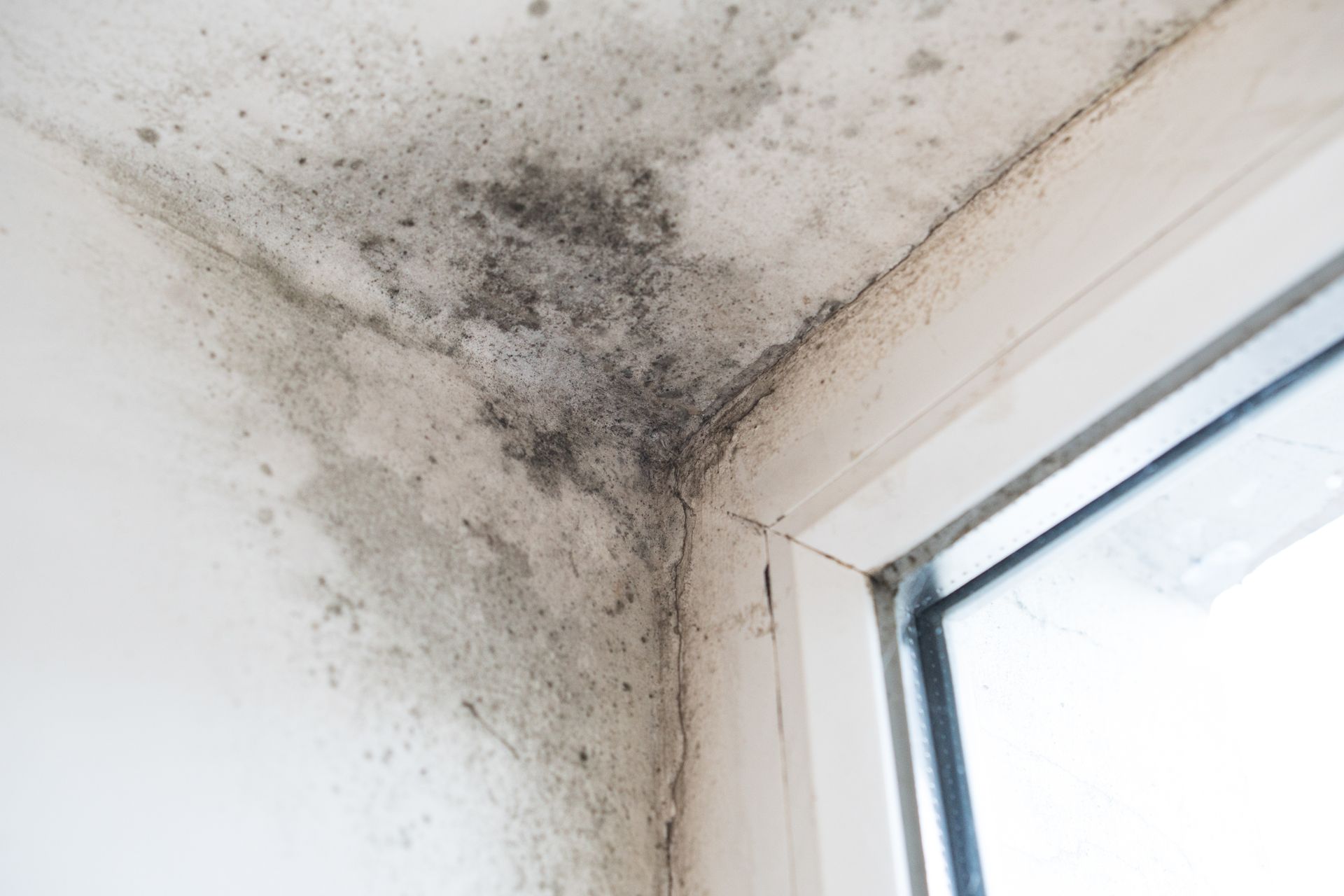
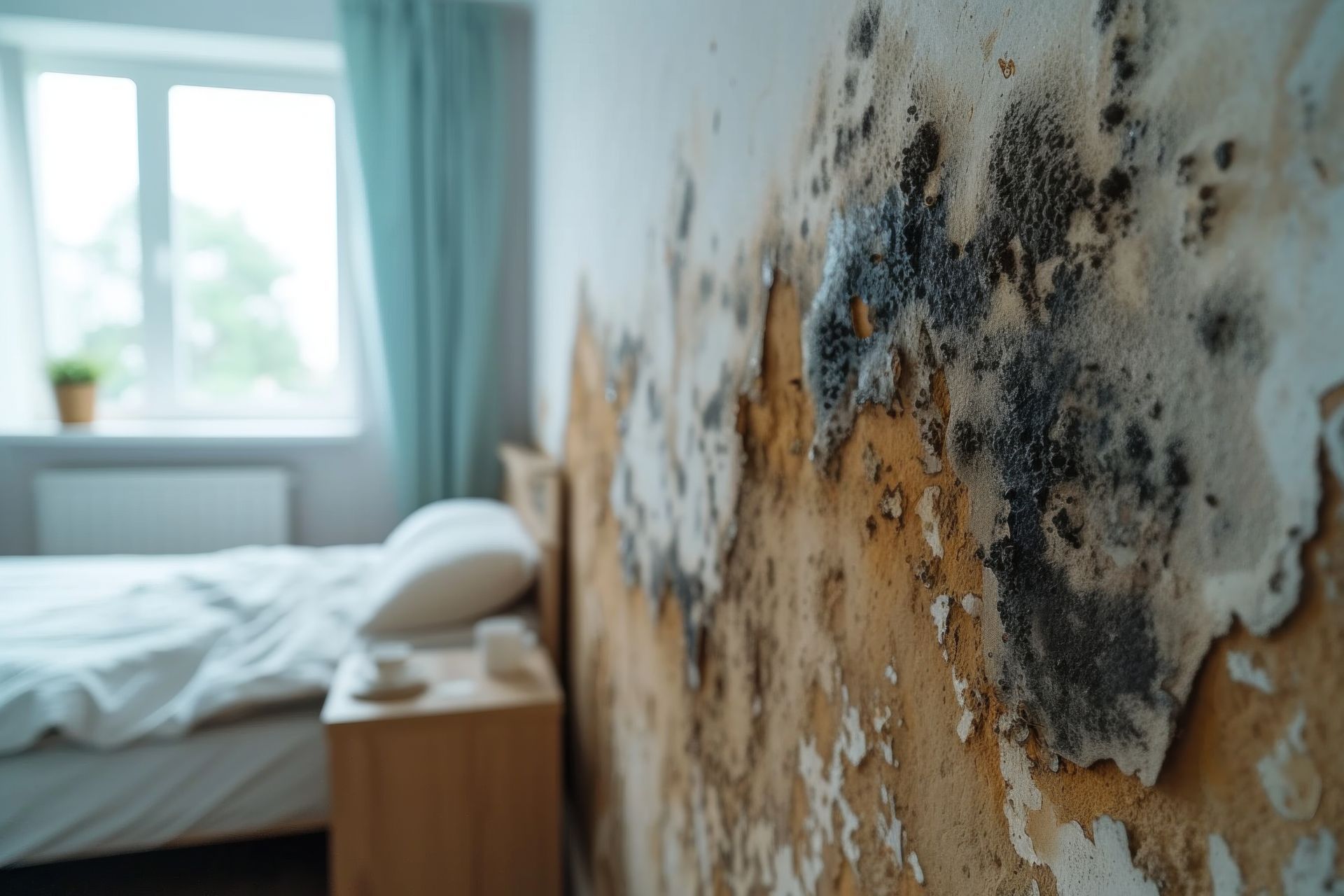
4) Know the “hidden water damage” red flags
If you notice any of these within 24–48 hours, moisture may still be present in the structure:
- Musty odor
- Warping or buckling floors
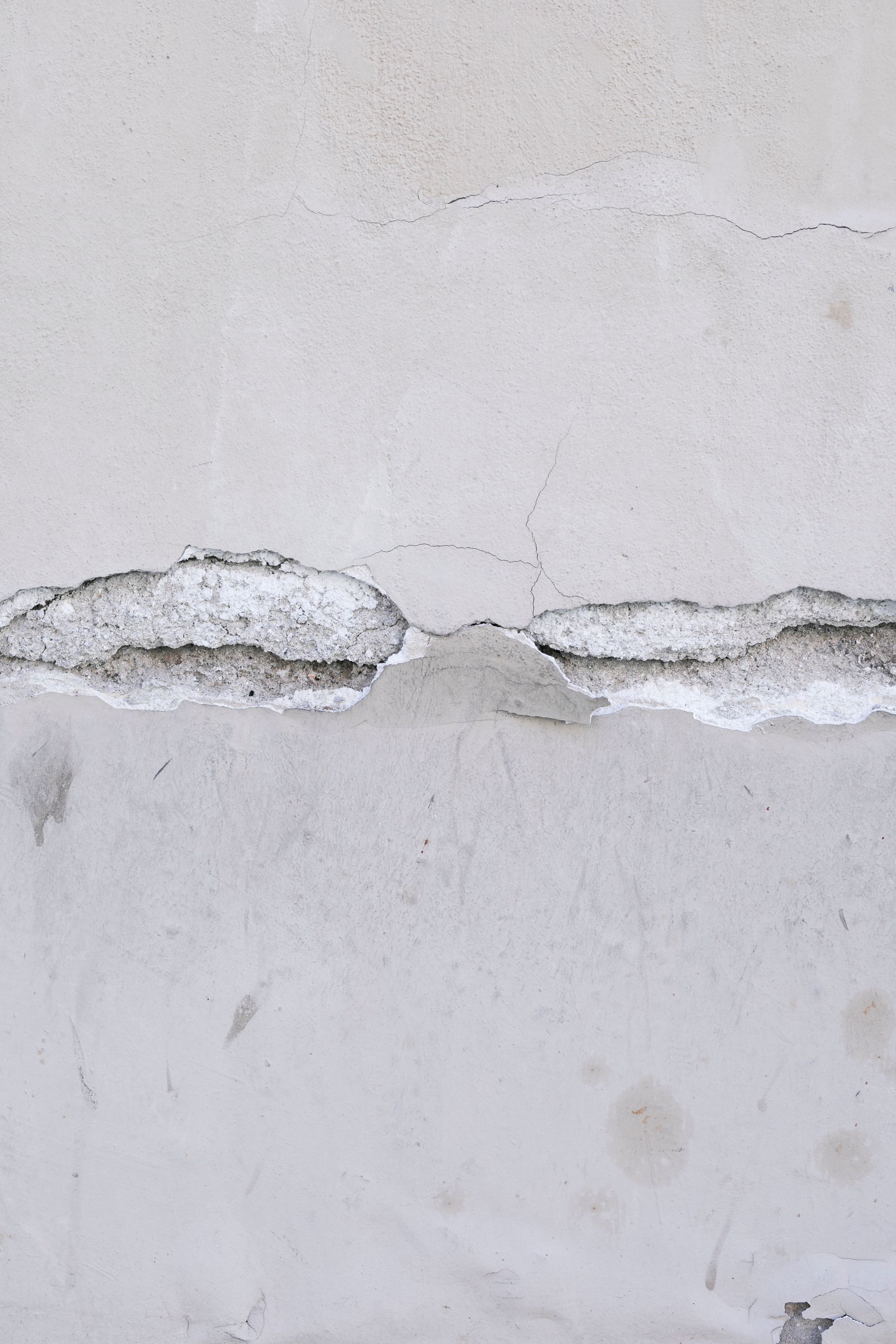
- Bubbling paint or swollen trim
- Persistent humidity in one room
- Stains that grow or darken
At that point, water damage is no longer just a surface cleanup—it’s a moisture control problem.
5) What professional water damage restoration should include
A true water damage restoration process is designed to dry the structure completely, not just make it “look dry.” A thorough approach typically includes:
- Moisture detection and mapping (to find hidden wet areas)
- Water extraction (when there’s standing water)
- Commercial drying and dehumidification
- Monitoring and documentation until dry standards are met
- Cleaning and sanitizing when needed, especially for unsanitary water sources
Anthony Restoration of Tysons describes water damage restoration services tailored to the loss and emphasizes fast, professional mitigation for water-related incidents.
6) Local help matters when water damage spreads fast
Water damage doesn’t respect room boundaries. Moisture moves through framing and under flooring, and delays can compound the scope. Anthony Restoration notes 24/7 availability, licensing/insurance, and certification for water, fire, and mold restoration, along with service across Tysons Corner and nearby Northern Virginia communities.
Bottom line: If the water damage involves ceilings, walls, multiple rooms, or any contaminated water source, it’s usually smartest to bring in restoration professionals early—before odors, swelling, and secondary damage begin.